 admin
Many people in Kenya earn income beyond a salary. Freelancing, online work, farming, and small businesses add steady income each month. Most returns only include PAYE income. This leads to penalties, rejected filings, and compliance issues. You need to declare all income sources in one return. This guide explains what to declare, how to file correctly, and how to avoid common errors using the Kenya Revenue Authority system.
What Counts as Side Hustle Income in Kenya
Side hustle income refers to any money earned outside formal employment. The tax authority treats all income as taxable unless exempt.
Common side hustle income includes
- Freelance work such as writing, design, and coding
- Consultancy and professional services
- Online earnings from content creation or digital services
- Farming and agribusiness income
- Rental income from property
- Small business profits
Key points
- Income does not need to be regular
- Cash payments count as income
- Mobile money and bank transfers count as income
Action
List all income sources for the year before filing.
Why You Must Declare All Income Sources
You must report full income in one return. Filing only salary income creates inconsistencies in your tax profile.
What happens when you omit income
- Penalties apply on unpaid tax
- Returns get flagged for review
- You risk losing your tax compliance certificate
Penalty structure
- 5 percent of tax due or Ksh 2,000 minimum
Example
You earn Ksh 600,000 salary and Ksh 200,000 freelance income. Filing only salary leaves Ksh 200,000 undeclared.
Action
Combine salary and side income before submission.
Types of Income You Must Declare from Side Hustles
You need to include every income stream.
Declare the following
- Freelance and consulting income
- Online earnings such as YouTube or digital services
- Business profits from small enterprises
- Rental income from property
- Farming income from crops or livestock
Key points
- One time income must be declared
- Small amounts still count
- Foreign income must be included
Action
Maintain a record of all income received during the year.
Documents You Need Before Filing
Prepare documents early to avoid delays.
Required documents
- P9 form from your employer
- Business income records
- Expense records
- Withholding tax certificates
Details
- P9 shows salary and PAYE deducted
- Business records show revenue and expenses
- Withholding tax certificates reduce tax payable
Action
Store documents in one place and keep digital copies.
How to Combine Salary and Side Hustle Income in One Return
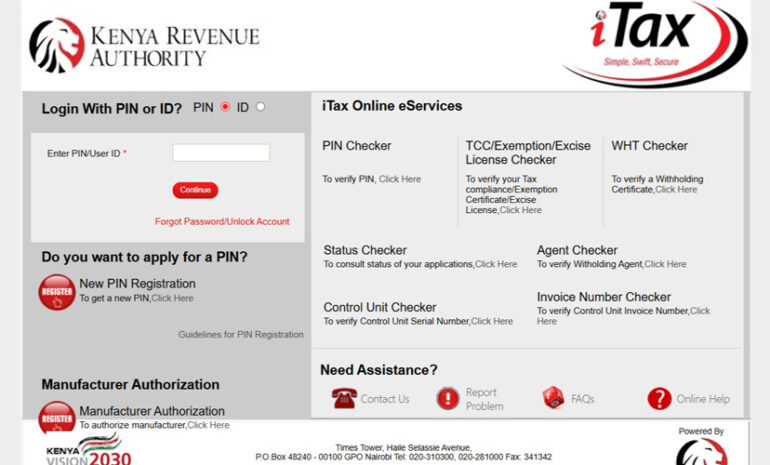
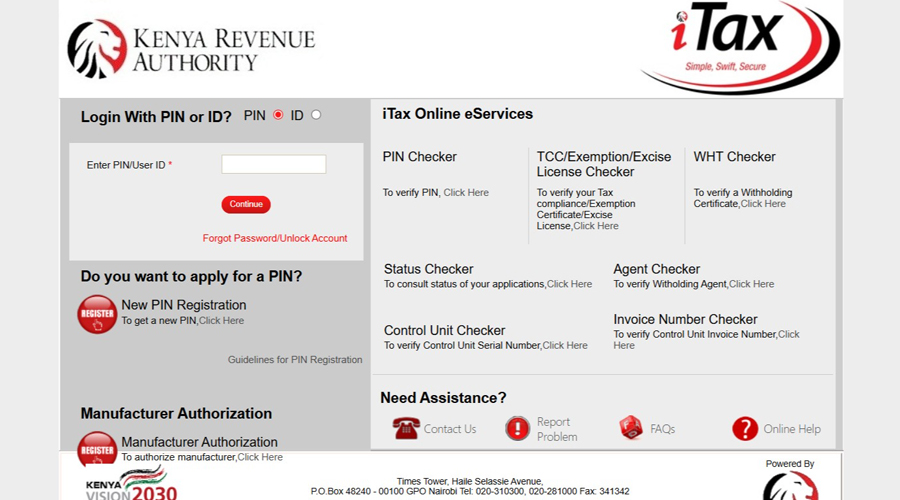
You file one return that includes all income through iTax.
Steps
- Log into iTax
- Select file return under income tax resident individual
- Enter employment income from P9
- Add business or other income
- Input allowable expenses
- Enter withholding tax credits
- Submit return
- Download acknowledgment receipt
Key points
- File one return for all income
- Ensure totals match your records
Action
Review all entries before submission.
Allowable Expenses You Can Deduct
Expenses reduce taxable income.
Examples
- Business costs such as stock and supplies
- Internet costs for freelancers
- Software or tools used for work
- Transport related to business
- Farming inputs such as seeds and fertilizers
Key points
- Expenses must relate to income generation
- Personal expenses do not qualify
Action
Keep receipts for every expense claimed.
Common Mistakes When Filing Side Hustle Income
Avoid these errors.
Common mistakes
- Filing only salary income
- Ignoring irregular income
- Missing expense records
- Not declaring withholding tax credits
- Entering incorrect figures
Impact
- Penalties
- Rejected returns
- Delays in compliance certificates
Action
Check all figures before submission.
Special Cases, Turnover Tax, Withholding Tax, and Nil Returns
Turnover tax applies to small businesses within set limits and is based on gross sales.
Withholding tax
- Deducted at source by clients
- Acts as advance tax
- Must be declared to claim credit
Nil returns
- Required if you have a KRA PIN and no income
- Must be filed each year
Key points
- Missing a nil return leads to penalties
- Withholding tax reduces final tax payable
Action
Confirm your tax category before filing.
Compliance Rules Affecting Side Hustlers
Tax compliance requires accurate invoicing and reporting.
Key requirement
- Use electronic tax invoice systems for transactions
Impact
- Needed for tax compliance certificates
- Supports accurate income reporting
Action
Adopt digital invoicing for business activities.
Example of Filing a Side Hustle Tax Return
Scenario
You earn Ksh 800,000 salary and Ksh 300,000 from freelance work.
Steps
- Enter Ksh 800,000 under employment income
- Enter Ksh 300,000 under business income
- Add expenses of Ksh 100,000
- Calculate taxable income
- Apply tax rates
- Deduct PAYE and withholding tax credits
- Submit return
Outcome
- Total income reflects both sources
- Tax liability adjusts based on expenses and credits
Action
Use this structure when filing your return.
Conclusion
Filing tax returns for side hustles requires full income reporting, proper records, and accurate entries.
Key actions
- Declare every income source
- Keep records throughout the year
- File before June 30
- Use correct sections in iTax
Call to action
Start organizing your income records now. Prepare your documents early. File your return before the deadline to avoid penalties and maintain compliance with the Kenya Revenue Authority.